
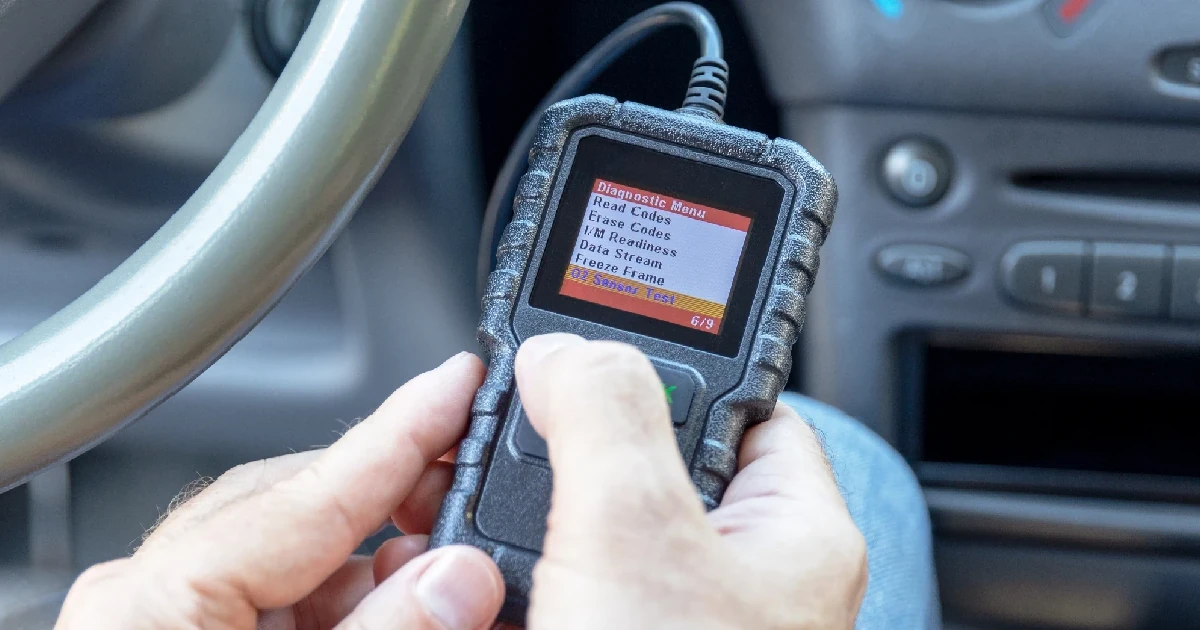
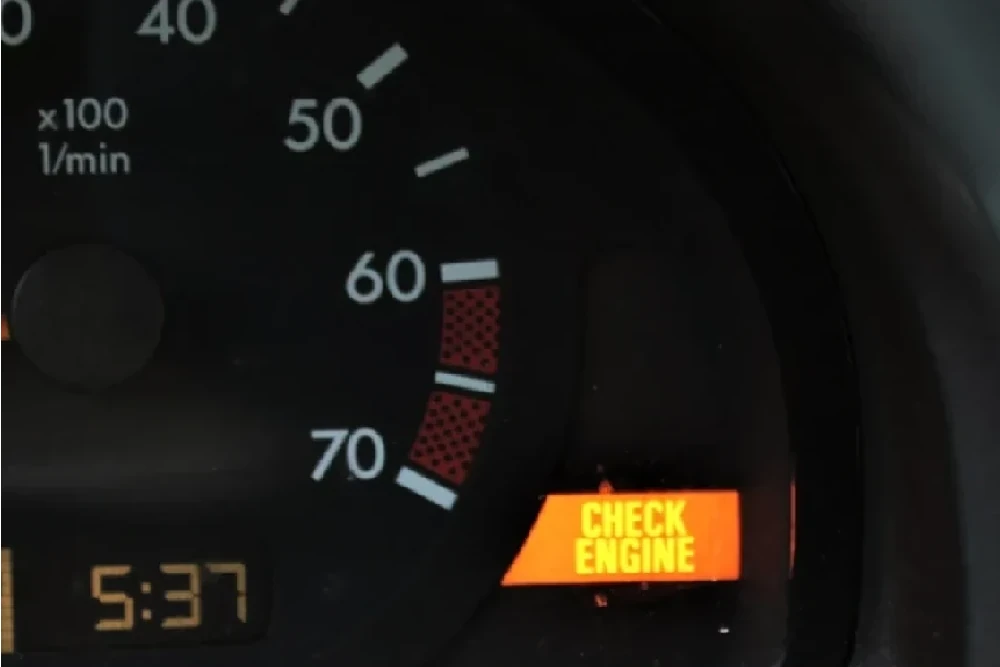
Seeing the check engine light illuminate can be worrying, especially when the car still seems to drive normally. The light can be triggered by a wide range of conditions, from a loose fuel cap on some vehicles to an engine or emissions-system fault that needs prompt attention. Drivers searching for engine diagnostics in Kona should know that the light is a signal to investigate—not a diagnosis by itself.
The safest next step depends on whether the light is steady or flashing and whether the vehicle has other symptoms.
Steady light versus flashing light
A steady check engine light generally indicates that the vehicle’s computer has detected a fault that should be diagnosed soon. If the light flashes, it can indicate a severe misfire that may damage the catalytic converter. Reduce load and stop driving when safe if the light flashes or the engine runs roughly, loses power, overheats, or smells strongly of fuel. Consult your owner’s manual and arrange professional help.
Common causes of a check engine light
Possible causes include an improperly sealed fuel cap, ignition misfires, sensor faults, air-intake leaks, fuel-delivery issues, or emissions-control problems. These examples are not a complete list, and the same warning can be triggered by different faults. Replacing a part based only on a guess may not resolve the underlying issue.
What a diagnostic test can tell you
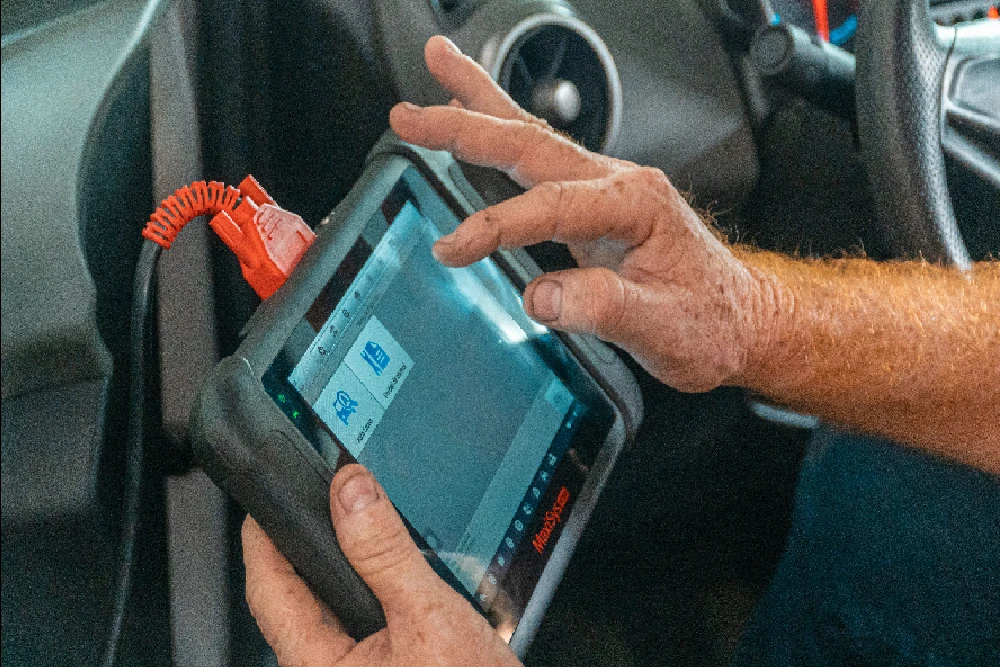
A technician can connect a scan tool to retrieve diagnostic trouble codes and review relevant data. Codes help narrow the investigation, but they do not automatically identify a failed component. The technician may need to inspect wiring, connectors, hoses, sensor readings, and operating conditions or perform additional tests to confirm the cause.
What to do before your appointment
Note when the light appeared and whether it happens after refueling, during acceleration, at idle, or in certain conditions. Pay attention to changes in power, fuel economy, vibration, temperature, or starting. If your fuel cap is loose, tightening it may be appropriate, but do not assume that resolves the issue if the light remains on or symptoms continue. Avoid clearing codes before diagnosis because stored information can help the technician.
Why accurate diagnosis matters
A warning light may be caused by a relatively simple issue or by a problem that needs more involved repair. Proper testing helps prevent unnecessary part replacement and supports a repair plan based on evidence. Ask the shop to explain the code, the tests performed, the confirmed cause, and the options before authorizing work.
Frequently Asked Questions
- Can I keep driving with the light on?
A steady light with no symptoms may allow a cautious trip to a repair facility, but the owner’s manual and actual vehicle behavior matter. A flashing light or severe symptoms call for stopping safely and getting assistance. - Will a code reader tell me exactly what is broken?
Usually not. A code points toward a system or condition and must be interpreted with testing. - Will the light turn off by itself?
Some intermittent faults may stop triggering the light, but the stored code or underlying issue may remain. Diagnosis is preferable to relying on the light disappearing.
Book a diagnostic appointment
If your check engine light is on, arrange an assessment and share any symptoms you have noticed. AutoTech Hawaii’s computer auto diagnostics service is a relevant starting point for learning about diagnostic support. You can also review the shop’s Kona-area auto repair services.
