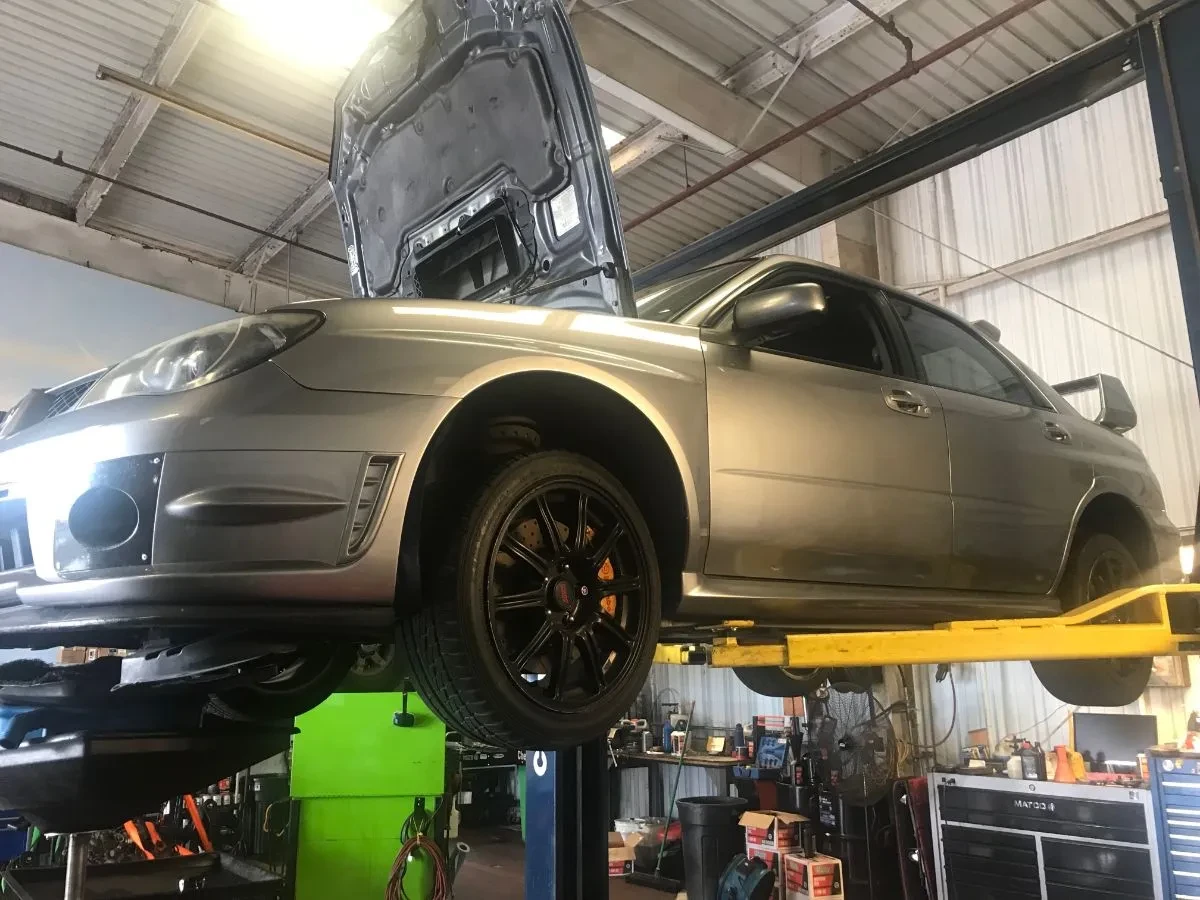
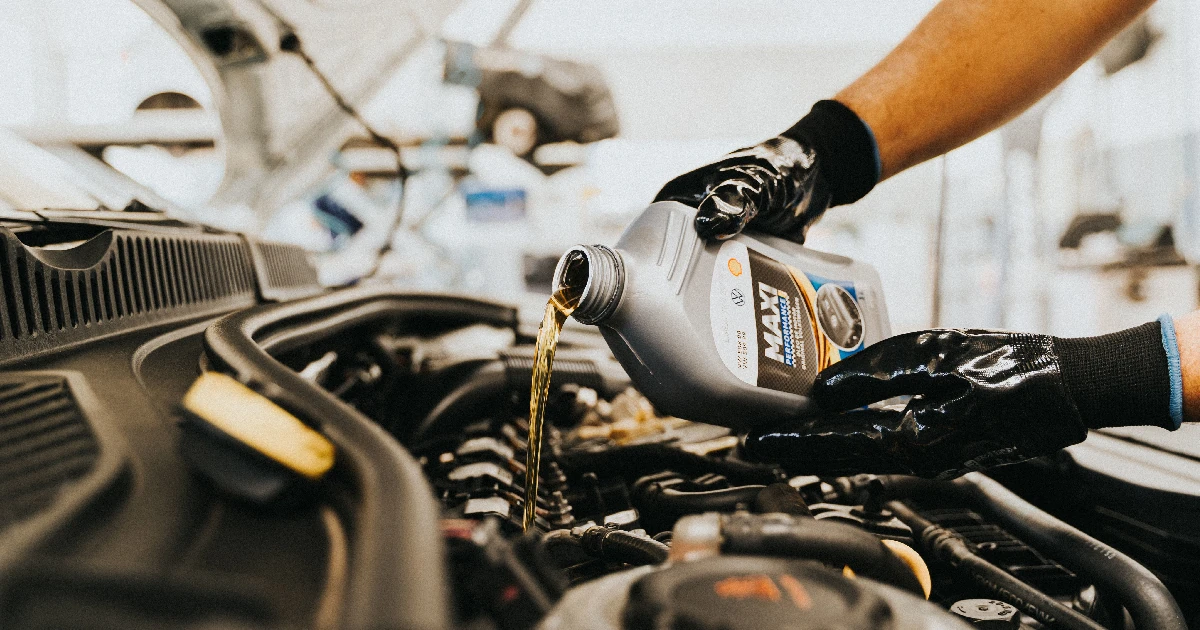
Regular oil changes help protect the engine by keeping moving parts lubricated and helping carry heat and contaminants away. If you are deciding how often to schedule an oil change in Kona, the best starting point is your vehicle manufacturer’s maintenance schedule—not a universal mileage rule.
Driving patterns, engine design, oil specification, vehicle age, and operating conditions all affect the correct interval. A maintenance plan suited to your vehicle can help protect engine performance without changing oil more often than necessary.
Start with the owner’s manual
Your owner’s manual or manufacturer maintenance portal should specify the required oil grade, specification, and recommended service interval. Some vehicles use conventional oil, while others require synthetic oil or a particular performance standard. Using the correct product matters as much as choosing an interval. If you are unsure, confirm the requirements for your exact year, make, model, and engine.
Driving conditions can change the interval
Frequent short trips, stop-and-go traffic, extended idling, dusty environments, heavy loads, and repeated cold starts can place additional demands on engine oil. Some manufacturers define these as severe-service conditions and recommend more frequent maintenance. Hawaii’s climate alone does not establish one interval for every vehicle; follow the schedule that matches your car and driving habits.
Why oil and the filter matter
Engine oil forms a protective film between moving components, while the oil filter captures many contaminants circulating through the system. Over time, oil can degrade and the filter can collect debris. At an oil change, the technician should use the correct oil specification and an appropriate filter, then verify the oil level and check for obvious leaks or related concerns.
Warning signs between oil changes
An oil-pressure warning light, a sudden change in engine noise, visible leaks, or an oil level below the safe range needs attention. Check the dipstick or electronic oil-level display according to the owner’s manual. An oil-pressure warning is different from a routine maintenance reminder: if the oil-pressure light comes on while the engine is running, safely stop the engine and seek guidance before driving further.
Build a practical maintenance routine
Keep a record of service dates, mileage, oil specification, and any recommendations. Check the oil level at the interval recommended by the manufacturer, particularly before a long trip or if the vehicle has a history of using oil. Address leaks and unusual consumption rather than relying on frequent top-ups to hide an unresolved problem.
What to ask at an oil change appointment
Confirm the oil grade and specification, the filter used, the next recommended service interval, and whether the inspection revealed leaks or maintenance needs. Ask the shop to separate urgent safety concerns from items that can be planned for a later visit. A clear explanation makes it easier to maintain the vehicle and budget for future work.
Frequently Asked Questions
- Is synthetic oil always better?
The correct oil is the one that meets the manufacturer’s specification. Many vehicles require synthetic oil, but check your manual rather than choosing by label alone. - Can I wait until the dashboard reminder appears?
Follow the vehicle’s maintenance system and manual. Do not ignore warning lights or an oil level below the specified range. - Does a short commute count as easy driving?
Not necessarily. Frequent short trips may prevent the engine from reaching normal operating temperature for long enough, and some manufacturers classify this as severe service.

Schedule Maintenance
A consistent oil-change routine is a simple way to support long-term engine care. For help with routine maintenance or other vehicle concerns, contact AutoTech Hawaii and describe your vehicle and driving habits. Learn more about available services on the Kona-area auto repair page.