
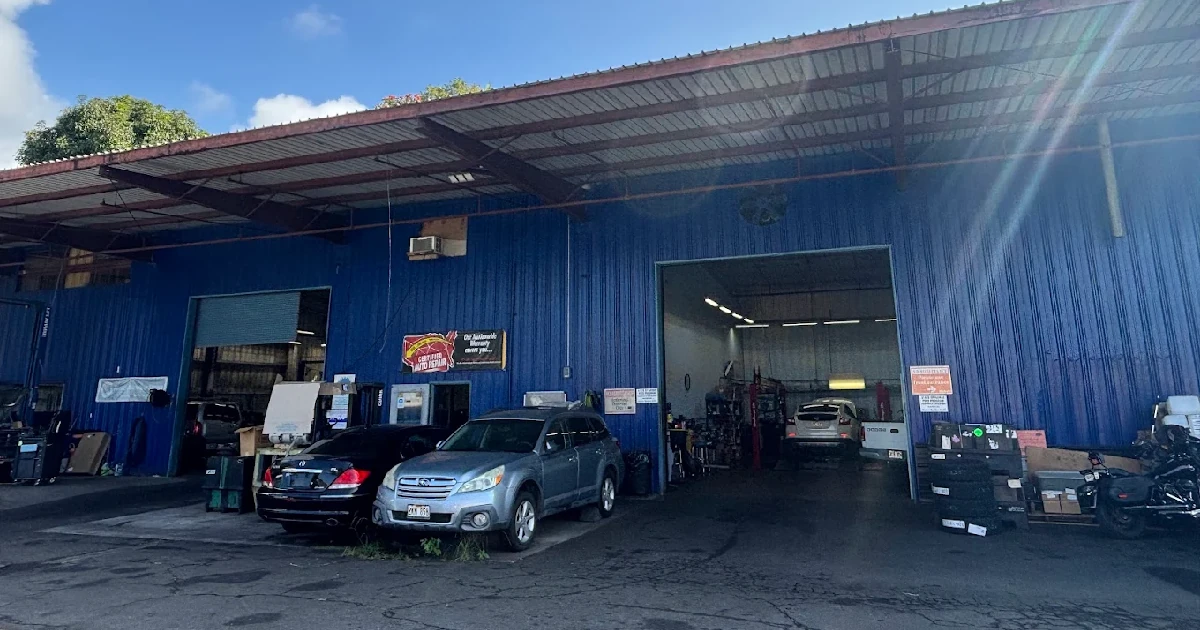
Your vehicle’s brakes are one of its most important safety systems. If braking feels different, sounds unusual, or takes longer than expected, it is worth arranging an inspection instead of waiting for the problem to worsen. For drivers looking for brake repair in Kona, recognizing early warning signs can help identify problems before they lead to more extensive repairs.
Brake symptoms do not always point to the same cause. Worn brake pads, rotor problems, hydraulic issues, or other components can create similar warning signs. A qualified technician can inspect the system and explain what needs attention.
1. Squealing or high-pitched noises
A high-pitched squeal when you apply the brakes can be a wear indicator or a sign that the pads and rotors need inspection. Moisture or surface rust can also cause temporary noise, especially after a vehicle has been parked. If the sound continues, becomes louder, or appears during most stops, schedule a brake check rather than assuming it will go away.
2. Grinding sounds
A harsh grinding noise can mean that brake friction material is severely worn or that another component is contacting the rotor. Continued driving may damage additional parts and reduce braking performance. If you hear persistent grinding, avoid unnecessary trips and arrange professional assessment as soon as it is safe to do so.
3. Vibration when braking
A pulsing brake pedal or steering-wheel vibration during braking may be associated with rotor surface or thickness variations, uneven deposits, or suspension-related concerns. The symptom alone cannot confirm the cause. An inspection helps determine whether the issue is in the braking system or another part of the vehicle.
4. The vehicle pulls to one side
If the car drifts or pulls to one side when you brake, possible causes include uneven braking force, a sticking caliper, tire problems, or suspension issues. Because several systems can create this symptom, avoid guessing at the repair. Have the vehicle evaluated promptly, especially if the pull is sudden or severe.
5. A soft or sinking brake pedal
A pedal that feels unusually soft, travels farther than normal, or sinks while you hold pressure may indicate a hydraulic problem. This can affect the vehicle’s ability to stop. Do not continue driving if the brakes feel unsafe; arrange assistance and professional inspection.
6. Longer stopping distances
If you need more distance to stop, the brake pads, tires, hydraulic system, or other components may need attention. Wet roads and road conditions also affect stopping distance, but a new or persistent change should not be ignored. Leave extra space and arrange an inspection.
7. Brake or ABS warning lights
A brake warning light may indicate a parking brake that is still engaged, low brake fluid, or a system fault. An ABS warning light can indicate a problem with the anti-lock braking system. Check your owner’s manual for the meaning of the warning, and seek service promptly. If braking performance changes, stop somewhere safe and request assistance.
What happens during a brake inspection?
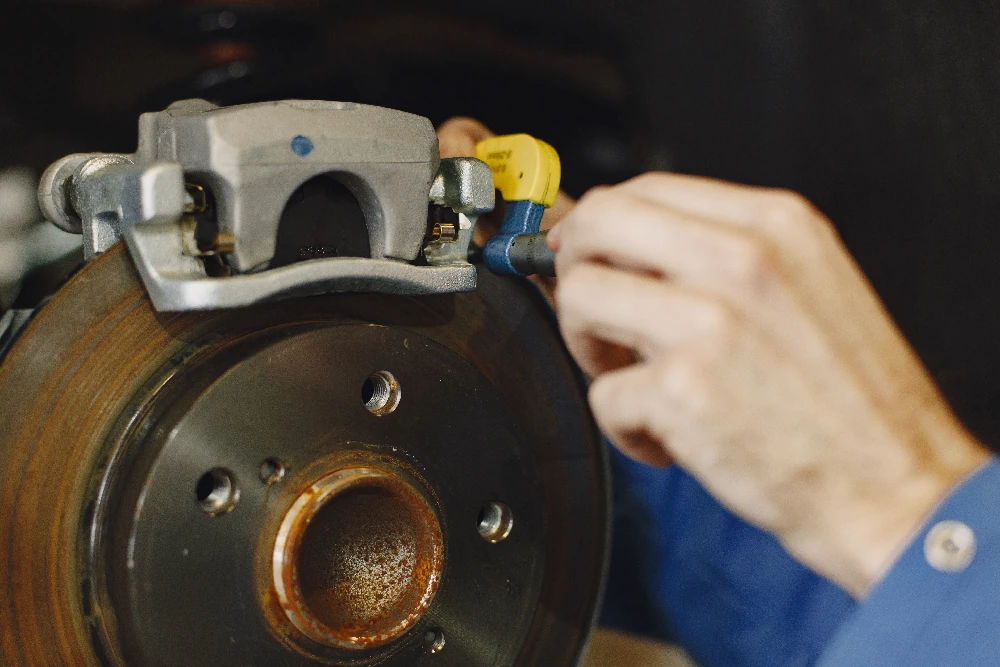
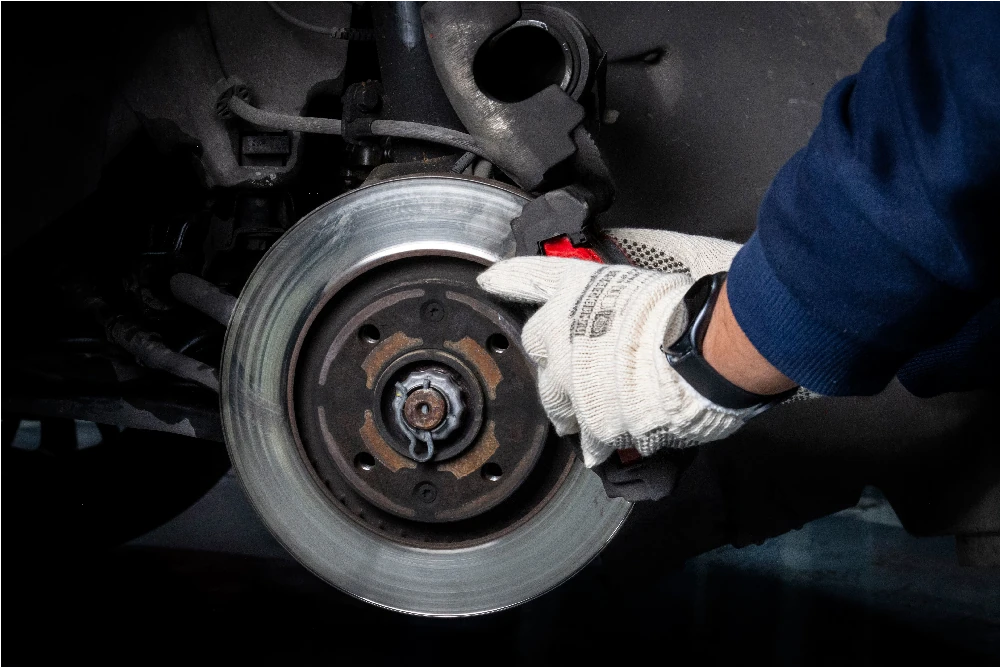
A technician may check brake pad thickness, rotor condition, calipers, hoses, fluid level and condition, warning lights, and related components. The exact inspection depends on the symptoms and vehicle. Ask for an explanation of the findings and a clear estimate before authorizing repairs. Replacing parts without identifying the cause can waste money and may not solve the problem.
Frequently Asked Questions
- Can I drive with squealing brakes?
A brief noise can have several causes, but persistent squealing should be inspected. Grinding, a soft pedal, warning lights with abnormal braking, or reduced stopping ability require more urgent attention. - How often should brakes be inspected?
Follow the maintenance schedule in your owner’s manual and have them checked when tires are rotated or when symptoms appear. Driving conditions and vehicle design affect wear. - Should I replace pads and rotors together?
Not always. The decision depends on rotor condition, measurements, manufacturer specifications, and the technician’s findings.
Schedule Service
If your vehicle is making unusual brake noises, pulling to one side, or taking longer to stop, arrange an inspection before the problem gets worse. Contact AutoTech Hawaii to discuss your symptoms and ask about available service. Visit the Kona-area auto repair page for information about the shop’s repair services.