
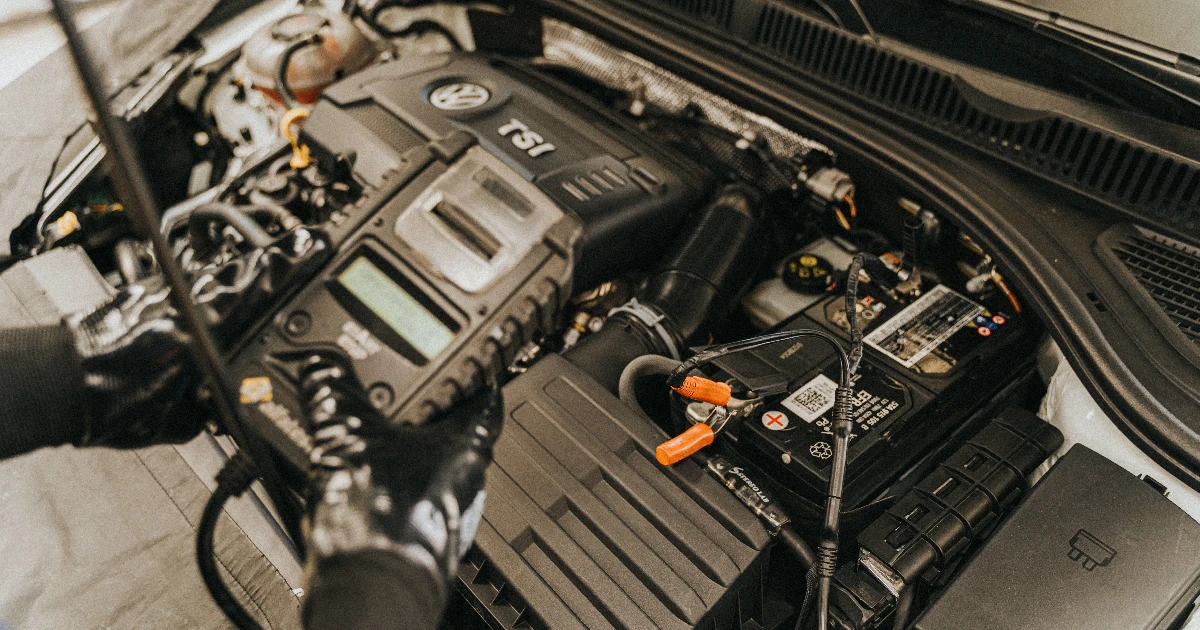
A vehicle that will not start can disrupt work, errands, and travel. The cause may be a weak battery, loose or corroded connections, a starter issue, a charging-system fault, or another problem. For drivers looking for car battery replacement in Kona, the first step is to identify why the vehicle will not start rather than assuming the battery is always responsible.
The engine clicks but does not turn over
Rapid clicking can be associated with low battery power or a poor electrical connection. A single click can have several causes, including starter or circuit problems. Battery condition, terminal connections, and the starting circuit need to be checked to distinguish them.
The dashboard lights come on, but the engine will not crank
Dashboard lights may work even when the battery cannot supply enough current to crank the engine. However, a starter fault, a connection issue, or an interlock condition may produce similar symptoms. Observe whether the lights dim, whether there is a click, and whether the vehicle displays a warning or key-recognition message.
The engine cranks but does not start
If the engine turns over but does not run, the battery may be supplying enough power to crank it. The cause could instead involve fuel delivery, ignition, engine management, or another system. Repeatedly cranking for long periods can drain the battery, so pause and arrange diagnosis if the vehicle does not start after reasonable attempts.
Battery age and warning signs
Slow cranking, dim lights, repeated jump-start needs, or a battery warning may indicate a battery or charging-system problem. Battery life varies with vehicle design, use, temperature, and maintenance. A test can assess the battery’s condition and help determine whether replacement is appropriate.
Why the charging system matters
A new battery may not solve the problem if the alternator or charging circuit is not replenishing it correctly. A technician may test battery health, charging voltage, connections, and starting-system operation. This helps avoid replacing a battery when another fault is responsible.
Safe next steps
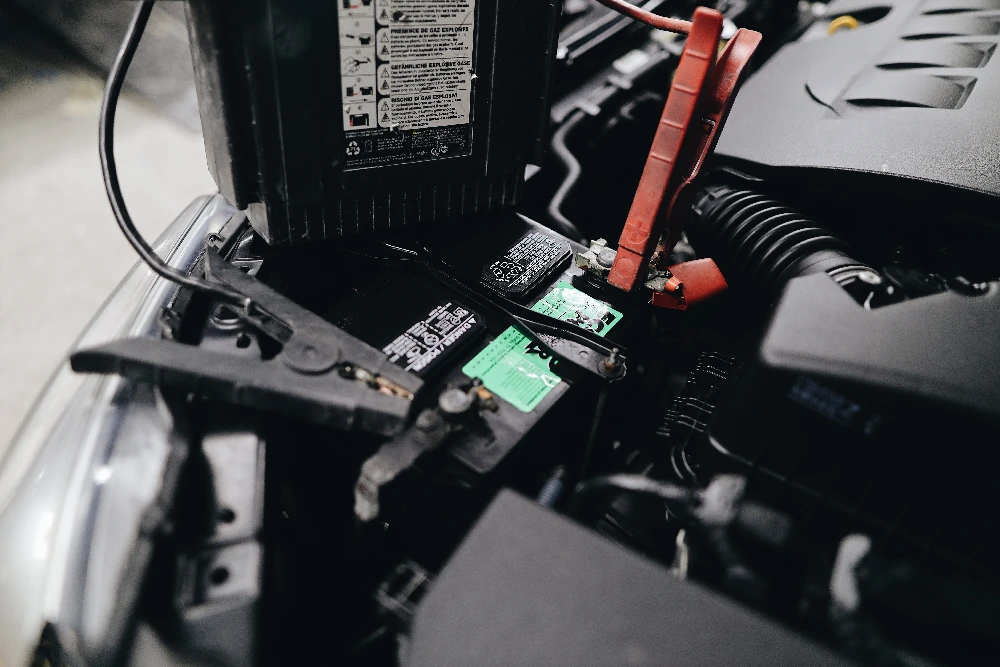
Follow the owner’s manual for jump-start procedures and connection points. Incorrect jump-starting can damage electronics or cause injury; some vehicles require specific procedures or equipment. Do not jump-start a battery that is cracked, leaking, swollen, or otherwise visibly damaged. If you are unsure, request professional assistance.
Frequently Asked Questions
- Does a jump-start prove the battery is bad? No. It shows that external power helped the vehicle start, but battery condition, charging performance, and electrical connections may still need testing.
- How long does a car battery last? It varies with the battery, vehicle, climate, and usage. Testing is more reliable than estimating from age alone.
- Can I drive after a jump-start? The vehicle may restart or may stall depending on the fault. Have the cause checked, especially if a battery or charging warning remains on.
Arrange starting-system service
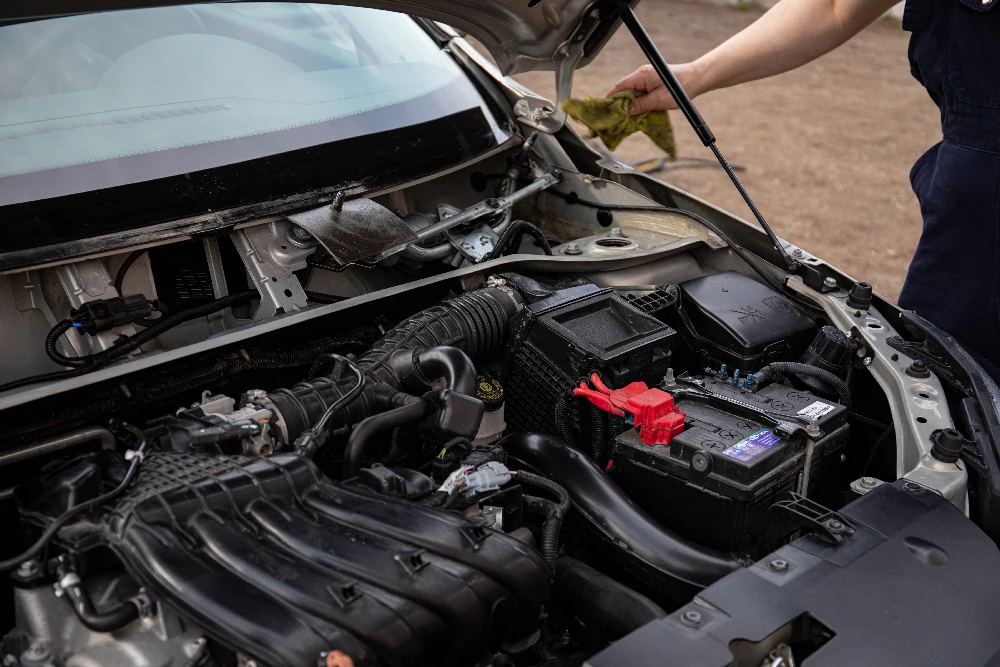
If your vehicle struggles to start or repeatedly needs a jump, arrange testing before you are stranded again. Contact AutoTech Hawaii to discuss the symptoms and ask about available battery or starting-system service. See the Kona-area auto repair page for general service information.
