
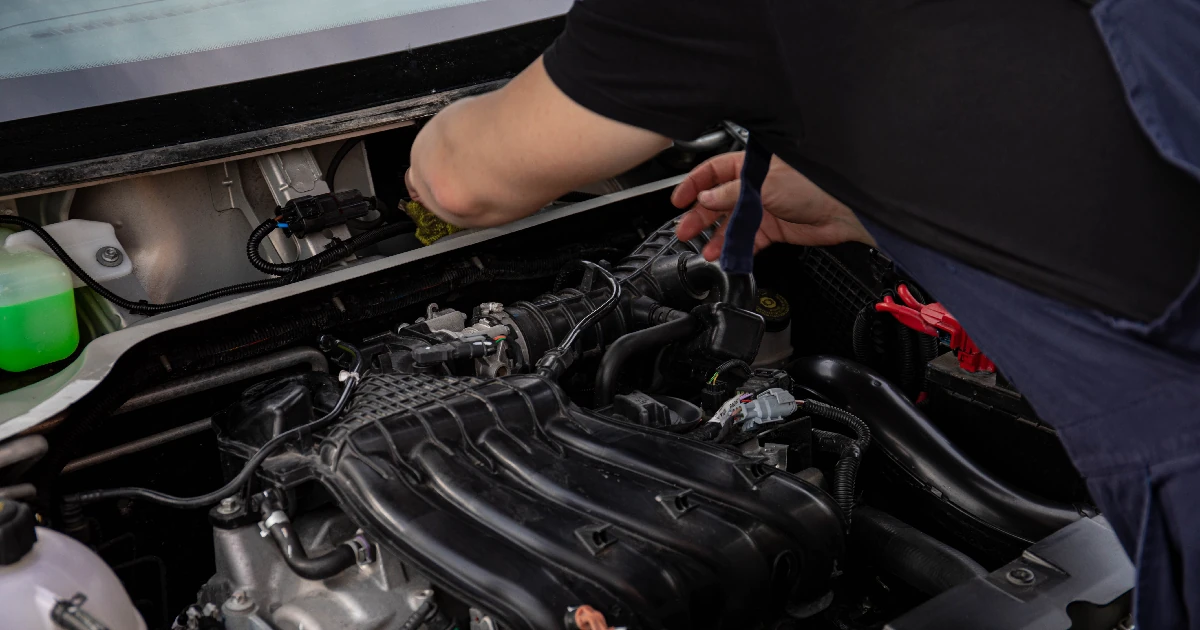
A new sound from under the hood can be difficult to identify. Ticking, knocking, squealing, rattling, and hissing can originate from different systems, and the noise alone rarely confirms which part has failed. If you are searching for a Kona mechanic because your engine sounds unusual, note when the sound occurs and whether the vehicle’s performance has changed. Those details help a technician narrow the diagnosis.
Knocking or deep tapping
A deep knock that changes with engine speed can indicate a serious mechanical issue, while lighter tapping may have different causes. Low oil level or oil-pressure problems can also affect engine noise. Check the oil according to the owner’s manual if it is safe, but do not continue running an engine with an oil-pressure warning or a loud, sudden knock. Stop safely and seek professional advice.
Ticking from the engine bay
Some engines produce normal injector or valve-train sounds, but a new or louder ticking may be associated with lubrication, exhaust, or mechanical concerns. Record whether it happens on a cold start, at idle, or as the engine warms. A mechanic can compare the sound with the vehicle’s normal operation and carry out appropriate checks.
Squealing or chirping
A squeal that changes when the engine starts or accessories are switched on may involve a belt, pulley, or accessory component. Do not place hands, clothing, or tools near moving belts. If a belt-related noise is accompanied by overheating, a charging warning, or steering changes, stop safely and arrange assessment.
Rattling, hissing, or popping
Rattling can come from loose shields, exhaust components, or other parts. Hissing may indicate escaping air, vacuum leaks, or hot fluids, while popping can relate to combustion or exhaust issues. Because these sounds can overlap, avoid replacing parts based only on online symptom lists. Tell the technician where the sound seems to come from and when it began.
How to help your mechanic diagnose the noise
Note the temperature, speed, road conditions, engine load, and whether the sound changes with acceleration or air conditioning. A short recording made from a safe position can be useful, but never lean into the engine bay while the vehicle is running. Mention any warning lights, recent repairs, fluid loss, or changes in fuel economy.
When should you stop driving?
Stop as soon as it is safe if the engine overheats, an oil-pressure warning appears, a loud metallic knock begins, smoke appears, or the vehicle loses power significantly. Do not open a hot cooling system. If there is a risk of engine damage or unsafe operation, arrange towing or roadside assistance instead of driving to the shop.
Frequently Asked Questions
- Is engine ticking always serious? No. Some sounds are normal, but a new or worsening noise should be evaluated in context.
- Can low oil cause engine noise? Low oil can contribute to lubrication problems. Check levels as directed and treat an oil-pressure warning as urgent.
- Should I wait to see if the noise disappears? Do not ignore a sudden, loud, or worsening sound, especially when accompanied by warning lights or performance changes.
Get the sound checked
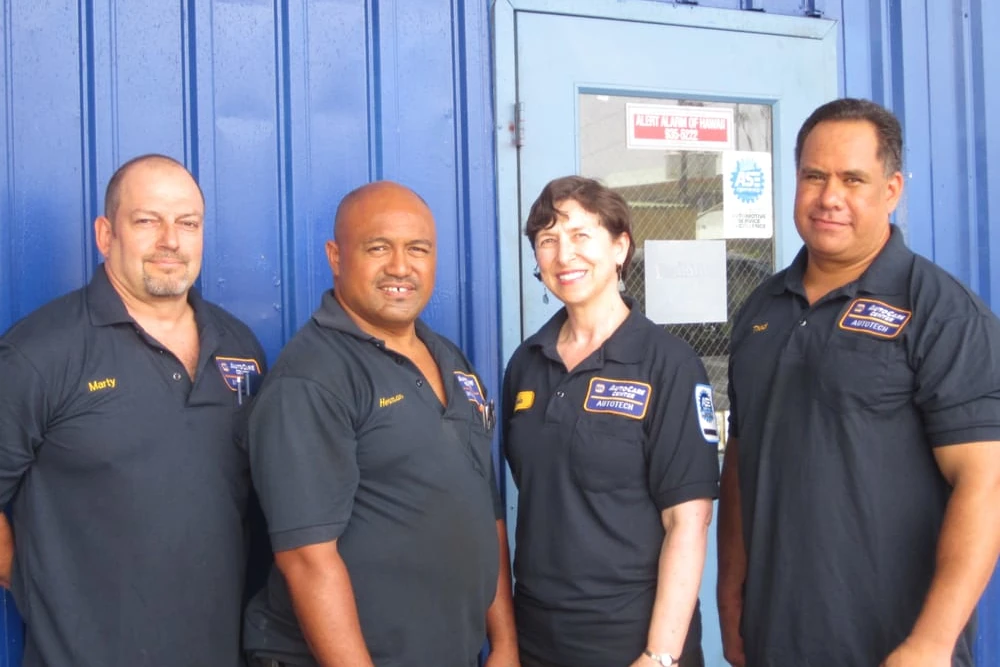
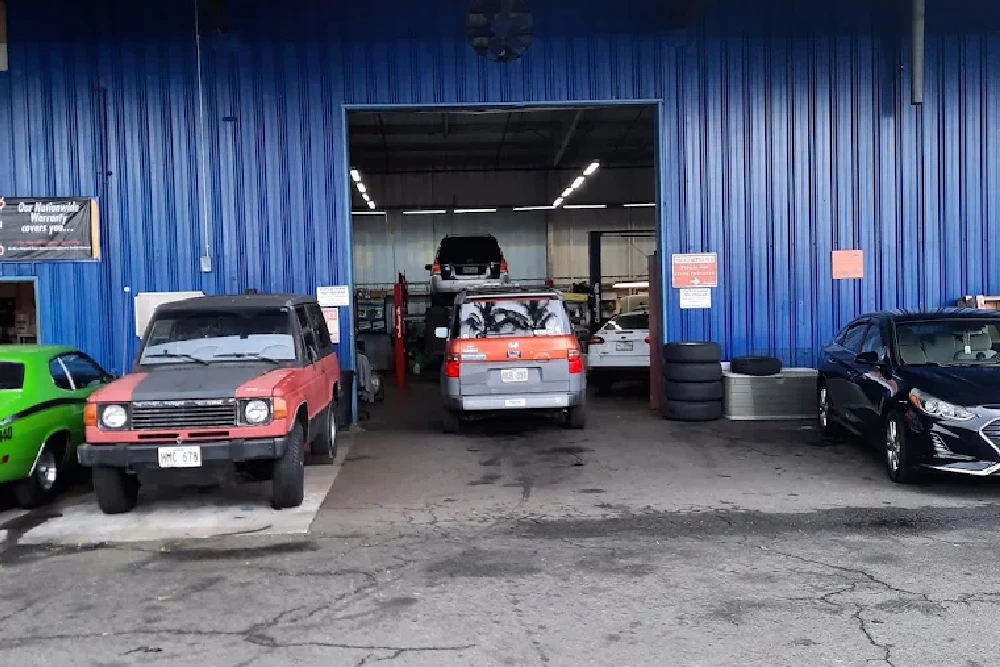
A clear description of the noise can help a technician plan the next diagnostic steps. Contact AutoTech Hawaii to discuss the symptoms and available appointments. Learn more about engine repair services and the shop’s Kona-area auto repair services.
