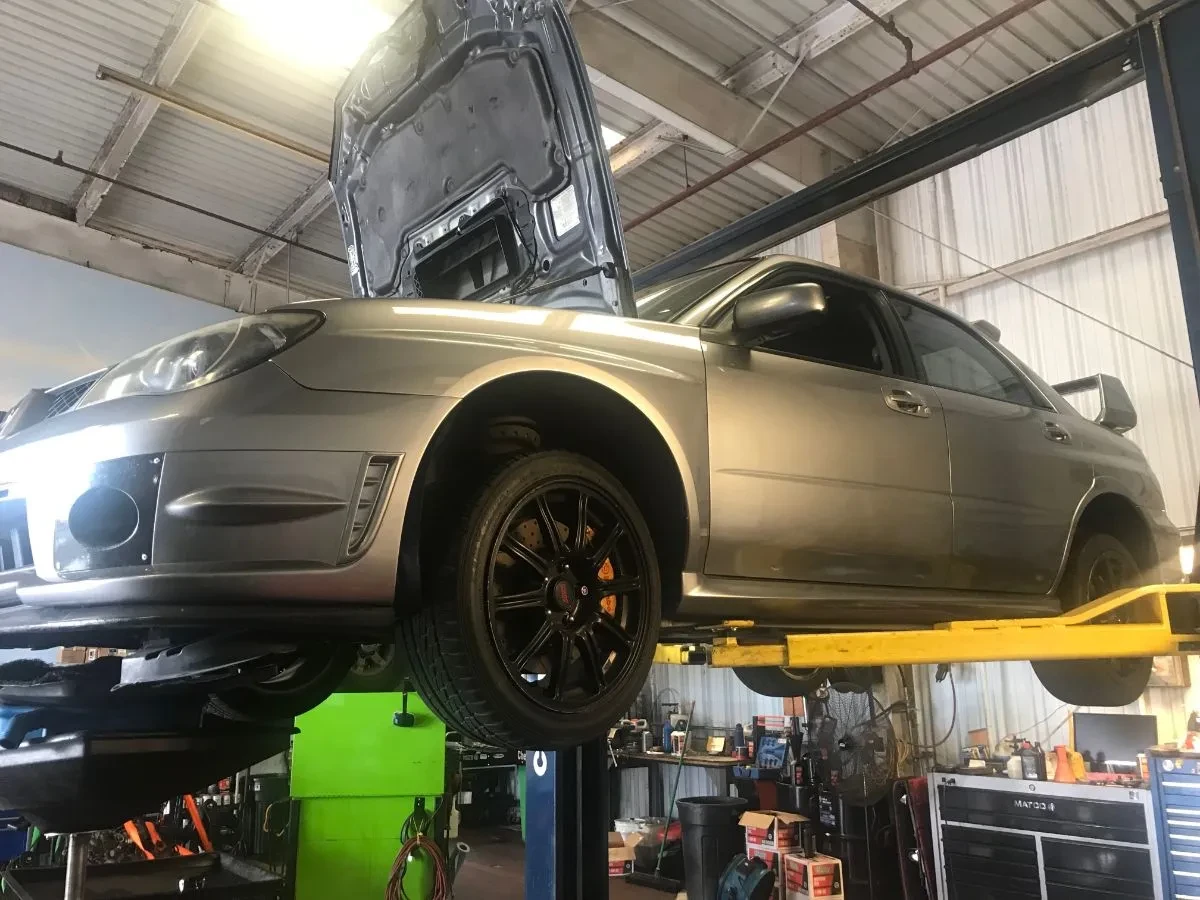
Wheel alignment helps position a vehicle’s wheels according to the manufacturer’s specifications. When alignment angles are outside the recommended range, a car may pull to one side, the steering wheel may sit off-center, or tires may wear unevenly. If you are considering wheel alignment in Kona, it helps to understand the warning signs and what an alignment service can—and cannot—correct.
Signs your alignment may need attention
One sign is a vehicle that consistently drifts or pulls on a reasonably level road. Another is a steering wheel that sits off-center while driving straight. You may also notice uneven tire wear across the inner or outer edges. These symptoms can have other causes, including tire pressure differences, worn suspension parts, or brake problems, so an inspection should identify the source before adjustment.
After hitting a pothole or curb
A strong impact can affect alignment or damage a tire, wheel, or suspension component. If the steering suddenly changes, the car vibrates, or a tire develops a bulge or visible damage, arrange an inspection promptly. An alignment adjustment alone will not repair a bent wheel or worn component; those issues must be addressed first.
Alignment versus tire balancing
Alignment concerns wheel angles relative to the vehicle and road. Tire balancing addresses uneven weight distribution in a wheel-and-tire assembly. Vibration at certain speeds can be related to balancing, tire damage, wheel problems, or suspension components rather than alignment alone. Describe the exact symptom so the technician can check the appropriate systems.
Why tire pressure and suspension condition matter
Incorrect tire pressure can affect handling and tire wear, and it can make alignment symptoms harder to interpret. Worn steering or suspension parts can prevent a vehicle from holding its alignment. Before adjustments, the technician may inspect tires, steering components, suspension joints, and other relevant parts. Following the vehicle’s recommended tire-pressure guidance is a useful routine check.
What happens during an alignment
A shop typically measures alignment angles with specialized equipment and compares them with vehicle specifications. Adjustments depend on the vehicle’s design and the condition of its components. Ask whether any parts need repair before alignment and request an explanation of the measurements or a report when available.
Frequently Asked Questions
- How often should I get an alignment?
Follow your vehicle and tire manufacturer’s guidance. Consider an inspection after a significant impact or if you notice pulling, off-center steering, or uneven wear. - Will alignment fix vibration?
It may help if alignment is part of the problem, but vibration can also come from tire balance, tire damage, wheels, or drivetrain components. - Can poor alignment damage tires?
Incorrect angles can contribute to uneven or accelerated tire wear, so investigating symptoms early can help protect tire life.
Schedule an inspection
If your car pulls to one side, the steering wheel is off-center, or tire wear looks uneven, arrange an inspection to determine whether alignment or another repair is needed. Contact AutoTech Hawaii to ask about service availability, and visit the Kona-area auto repair page for more information.